Bedding · Fabric guide
What to Look for in an Organic Duvet Cover: Naturepedic Materials, Fit, and Care
A duvet cover is the closest layer to your skin and one of the most practical pieces in a bed. The right one brings together a fabric you love to sleep in, a reliable fit for your insert, and care instructions that work with real life. Here is how to assess organic linen and cotton percale, with a closer look at Naturepedic’s options.
A considered layer, not just a finishing touch
A duvet cover can make a bedroom feel composed in an instant, but its role is more than decorative. It protects the insert from everyday contact, can be removed for laundering, and shapes the feel of the bed through the night. Fabric, weave, dimensions, closures, and washing requirements all matter—sometimes more than the color that first caught your eye.
Organic duvet covers invite another set of questions. What does the fiber label actually tell you? How does linen differ from percale? Will the cover accommodate your duvet insert without bunching or leaving excess fabric? And can you maintain it without turning laundry day into a special project?
Naturepedic’s organic linen and organic cotton percale duvet covers offer two distinct answers to those questions. Linen is relaxed, textured, and substantial in the hand; cotton percale is crisp, light, and smooth with a matte finish. Neither is universally better. The most satisfying choice is the one whose feel, fit, and upkeep suit your habits.
Start with the fiber and the weave
Fiber names describe what a textile is made from; weave describes how its yarns are interlaced. Both influence how a duvet cover feels and performs. A cotton fabric can feel markedly different depending on its weave, and linen’s distinctive character comes from flax fiber as well as the way the fabric is constructed and finished.
Organic linen: natural texture and an easy drape
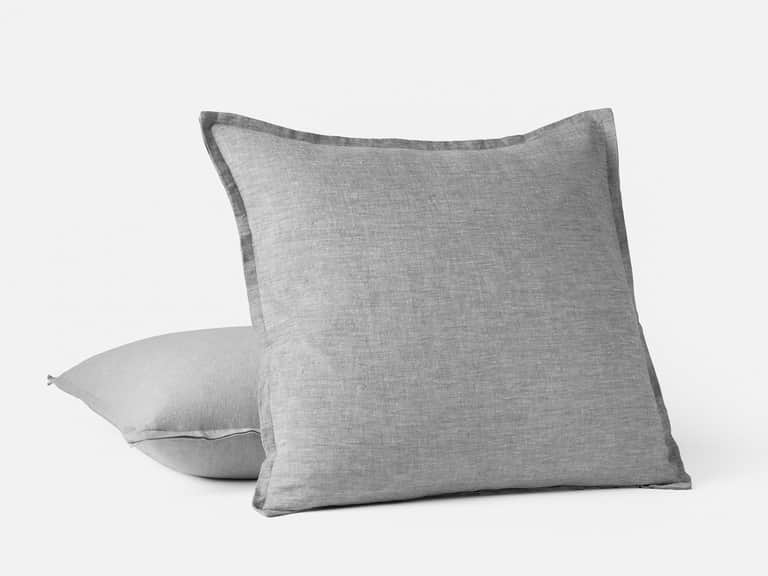
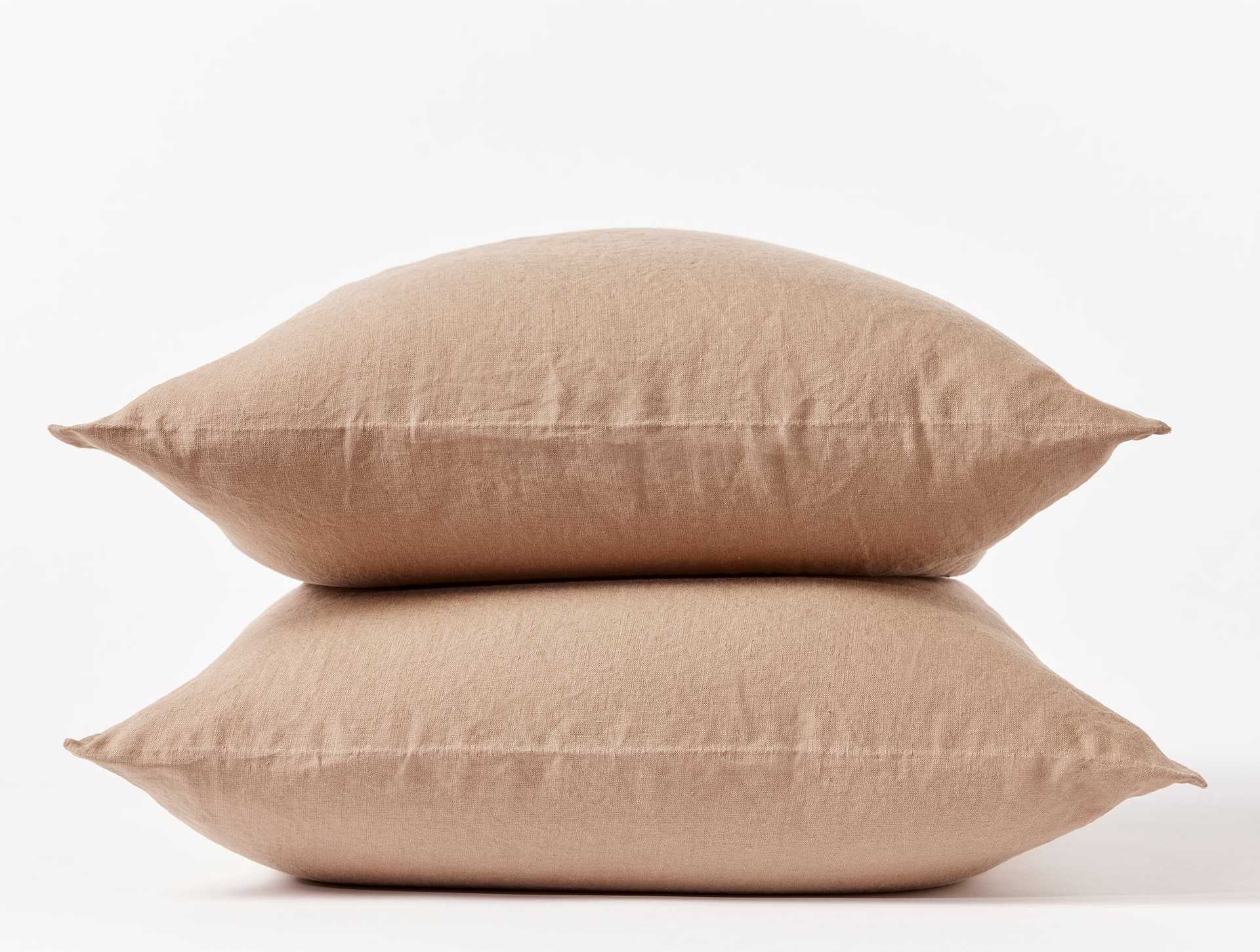
Linen begins with flax. Its yarns create a fabric known for a visibly textured surface and a relaxed, gently rumpled appearance. Naturepedic’s organic linen duvet cover is made with GOTS-certified organic flax grown in France, stone-washed for a softer hand, and described as becoming softer and more luxurious with washing. The listed fabric weight is 185 gsm, a useful detail for readers who want a sense of its substance rather than relying on the word “linen” alone.
That weighty-yet-breathable quality gives linen a different presence from a light, crisp sheet. It drapes with character and has a natural-looking irregularity that can make a bed feel inviting rather than overly formal. The fabric’s breathability and moisture management are often appreciated by people who prefer a less clingy sleep surface. Comfort, of course, is personal: room temperature, duvet filling, sleepwear, and individual preference all contribute to how warm or cool a bed feels.
Linen may appeal if you enjoy texture, want a cover with a relaxed look, or would rather not press every crease away. It is not the best match for someone whose ideal bed is perfectly smooth and sharply tailored straight from the dryer. Its appeal lies partly in the way it looks lived in.
Cotton percale: crisp, light, and clean-lined
Percale is a plain weave in which the yarns cross in a balanced, one-over-one-under pattern. That construction produces the familiar crisp hand and matte surface many people associate with a well-made hotel bed. Naturepedic’s organic cotton percale duvet cover uses GOTS-certified organic cotton and is listed at 300 thread count. Its breathable, lightweight character makes it a natural consideration for those who like a cooler, fresher-feeling bed.
Thread count can be useful as one piece of information, but it is not a complete quality score. Fiber length, yarn construction, weave, finishing, and workmanship also affect the experience. For percale in particular, a moderate thread count can support the open, crisp character people seek; a larger number alone does not guarantee a better or more breathable fabric.
Percale is a strong choice if you favor a smooth surface, a neat finish, and a cool hand. It can soften with repeated laundering while retaining its characteristic crispness. If you prefer a substantial, softly rumpled texture, linen may feel more expressive. Think of the choice as one of temperament: tailored and airy, or relaxed and tactile.
What organic certification can—and cannot—tell you
“Organic” is most meaningful when a product’s claims are supported by a clear standard and certification details. The Naturepedic duvet-cover descriptions identify their linen and cotton fabrics as GOTS-certified organic. The Global Organic Textile Standard (GOTS) is a certification for textiles made with organic fibers, with requirements that address processing as well as the fiber claim. Readers can look for the named standard, the product’s certification information, and the scope of the claim rather than relying on broad, undefined language.
Certification is helpful context, but it does not tell you whether a fabric will feel soft enough for your preferences, whether its size suits your insert, or how it will behave in your particular laundry setup. Those are separate questions worth checking in the product specifications and care label. A well-informed choice considers material credentials alongside everyday performance and practical fit.
It is also useful to distinguish the origin of the raw fiber from where the fabric is woven or finished. Naturepedic’s linen description identifies French-grown flax and production in a GOTS-certified facility in India. A transparent product description can make these stages easier to understand; they are different parts of the textile’s journey, not interchangeable claims about a single place of manufacture.
Fit: match the cover to the insert, not the bed alone
Even a beautiful duvet cover can disappoint if it is the wrong size. Before choosing, check the cover’s dimensions against the insert’s dimensions—not just the mattress size. Two products described as “queen” may not have identical measurements, and a generous insert inside a smaller cover can feel overfilled, while a smaller insert may shift around in an oversized one.
Naturepedic lists two sizes for its organic linen duvet cover: Full/Queen at 90 by 92 inches and King/California King at 106 by 92 inches. Its organic cotton percale cover is listed in Twin/Twin XL at 68 by 92 inches, Full/Queen at 90 by 92 inches, and King/California King at 106 by 92 inches. The percale listing also gives the measurements for its pillow shams. Always confirm current specifications before ordering, especially if your insert is from another maker or has a nonstandard profile.
Dimensions are only part of the fit equation. A duvet insert’s fill and construction affect its loft, and the cover should have enough room to accommodate it without pulling the fabric taut. Consider how much drape you want at the sides of the bed, too. A cover that suits a low-profile mattress may not provide the same visual coverage on a deeper mattress with a topper.
A simple measuring checklist
- Read the full dimensions of your duvet insert, including length and width.
- Compare those measurements with the cover’s listed dimensions; do not rely on size names alone.
- Check whether your mattress height or topper affects how much side drape you want.
- Confirm the pillow sham count and dimensions if you want the set to coordinate.
- Review the return and exchange terms in case the fit is not as expected.
Allow for a little variation across brands and textiles. Fabric may settle or change slightly with laundering, while garment-washed and pre-washed finishes can affect a cover’s initial hand. The care label and the maker’s sizing notes are the most useful references for the particular piece you are considering.
Corner ties and the details that make a difference
A duvet cover’s small construction details can shape its daily usefulness. Corner ties are particularly practical: they attach to corresponding loops on the insert to help keep it in position. Without a way to secure the insert, it may migrate inside the cover, leaving one side more filled than the other. If you move frequently in your sleep or prefer a consistently even arrangement, look for ties and check that your insert has loops—or can be secured another way.
Naturepedic’s listed duvet sets include corner ties intended to hold the comforter in place. This is a simple feature, but one that can make changing and straightening the bed less fussy. Before purchasing, confirm the number and placement of ties in the current product details; construction can vary among sizes and product revisions.
Also consider the closure. Buttons, ties, and other closure systems can influence how easy a cover is to remove and fasten after washing. Examine the construction description and think about your routine: an attractive finish is most useful when it is also comfortable to handle. The duvet cover should be easy enough to maintain that it gets washed as often as you intend.
Care: protect the feel you chose
Care instructions are not an afterthought. They are part of the product’s design, and following them helps preserve both the fabric and its fit. Naturepedic’s listed instructions for these duvet covers are straightforward: machine wash warm, tumble dry low, warm iron if desired, and do not use bleach. Check the label on the item you receive, since care directions can differ by product, color, or production run.
For either linen or percale, avoid overloading the washer. Bedding needs space to move through the wash and rinse; a crowded drum can leave detergent residue or prevent a thorough clean. Use a suitable amount of detergent rather than assuming that more will produce a better result. Wash with like colors, particularly when laundering a new, deeper-colored cover, and separate pieces that are likely to snag the fabric.
Low-heat drying is a sensible way to follow the listed instructions and avoid unnecessary stress from high temperatures. Remove bedding when it is dry rather than leaving it tumbling longer than needed. If you like a smoother finish, a warm iron is an option for these Naturepedic covers; linen, however, is often chosen precisely because its relaxed creases are part of its character. You do not need to iron a fabric simply because you can.
Fabric softener is not automatically necessary. A textile may become softer through regular washing, and added softener can leave a coating that some people would rather avoid. The most reliable guidance is the care label for the specific cover. Do not use bleach where the instructions prohibit it, and be cautious with stain treatments: test a method discreetly and avoid applying heat to a stain before it has been treated, since heat can make some marks harder to remove.
A practical wash-day sequence
- Remove the cover carefully and fasten any closures before washing, if the care label recommends it.
- Check for stains and treat them promptly with a method suitable for the fiber and finish.
- Wash with similar colors using the temperature and cycle shown on the label.
- Give the fabric enough room in the machine to rinse properly.
- Tumble dry on low as directed, then remove promptly once dry.
- Reattach the insert at the corners before closing the cover, and shake it into an even position.
Linen or percale: a decision by feel
The simplest way to choose is to imagine what you want to notice when you get into bed. Linen offers a distinctive texture, a soft drape, and a relaxed finish that grows more familiar with use. Percale offers a smooth, crisp hand and a more tailored appearance. If you like both, the decision may come down to seasonal preference, how often you launder bedding, or the look you want the room to have.
A linen cover can make a bed feel grounded and unstudied, particularly when paired with simple sheets and restrained color. The Naturepedic organic linen duvet cover is available in earth-toned options including Arctic Snow, Beige, Harbor Island, and Forest Canopy, according to its listed specifications. Cotton percale, in colors such as Arctic Snow, Cream, Mineral Blue, and Midnight Blue, brings a cleaner, more polished quality while keeping the surface light and crisp.
Color is best considered after fabric and fit. A shade that looks warm on a screen may read differently under your bedroom’s natural or artificial light. If you are coordinating with existing sheets or pillowcases, compare color descriptions and, where possible, order a swatch or view the textile in person. The quieter the palette, the more the weave and finish come forward.
Neither textile can promise a particular night’s sleep, and no fabric is ideal for everyone. If you are sensitive to heat, you may value the airflow and lighter feel associated with percale; if you prefer a more substantial, textured layer, linen may be compelling. Consider your duvet insert as well: a heavy, insulating fill can feel warm beneath any cover, while the room and your bedding layers influence the overall experience.
Questions worth asking before you buy
- What is the exact fiber content? Look for a clear statement of linen or cotton rather than a vague description of “natural” fabric.
- Is the organic claim specific? Check for the named certification and review the product’s current certification details.
- What is the weave or finish? Percale’s plain weave and crisp hand differ from linen’s textured, relaxed character.
- Will the cover fit my insert? Compare actual measurements, not just Twin, Queen, or King labels.
- Does it include useful construction details? Corner ties can help keep the insert from shifting.
- Can I care for it comfortably? Review washing, drying, ironing, and bleaching instructions before committing.
- What is included in the set? Verify whether the listing includes shams, how many there are, and their dimensions.
These questions help shift the decision away from thread count or marketing language alone. A duvet cover is a piece you handle repeatedly: you make the bed, remove it, wash it, and put it back on. The best choice is one whose practical details support that rhythm.
The quiet luxury of choosing well
A considered duvet cover does not need to be complicated. Start with how you like fabric to feel: textured and easygoing, or crisp and smooth. Confirm the fiber, weave, organic certification details, and dimensions. Look for useful features such as corner ties, then make sure the care instructions fit your laundry routine.
Naturepedic’s organic linen and cotton percale covers offer two well-defined approaches to the bed. Linen brings a softly rumpled, substantial texture; percale lends a cool, lightweight crispness. Both are designed to be washed at home according to their stated care directions, and both can be made more useful by selecting the right size for your insert and securing it in place.
When material, fit, and care come together, the result is not just a polished bed. It is bedding that feels considered in the everyday sense: comfortable to sleep under, straightforward to maintain, and suited to the way you actually live.